At a Glance
Gambling addiction is a recognised behavioural addiction that can affect mental health, relationships, finances and overall well-being. Hypnotherapy can help by addressing the subconscious patterns, emotional triggers and compulsive behaviours that drive the action of gambling. Contact Susannah Saunders at City Hypno to book a tailored gambling addiction hypnotherapy session today.
How Hypnosis Can Address A Gambling Addiction
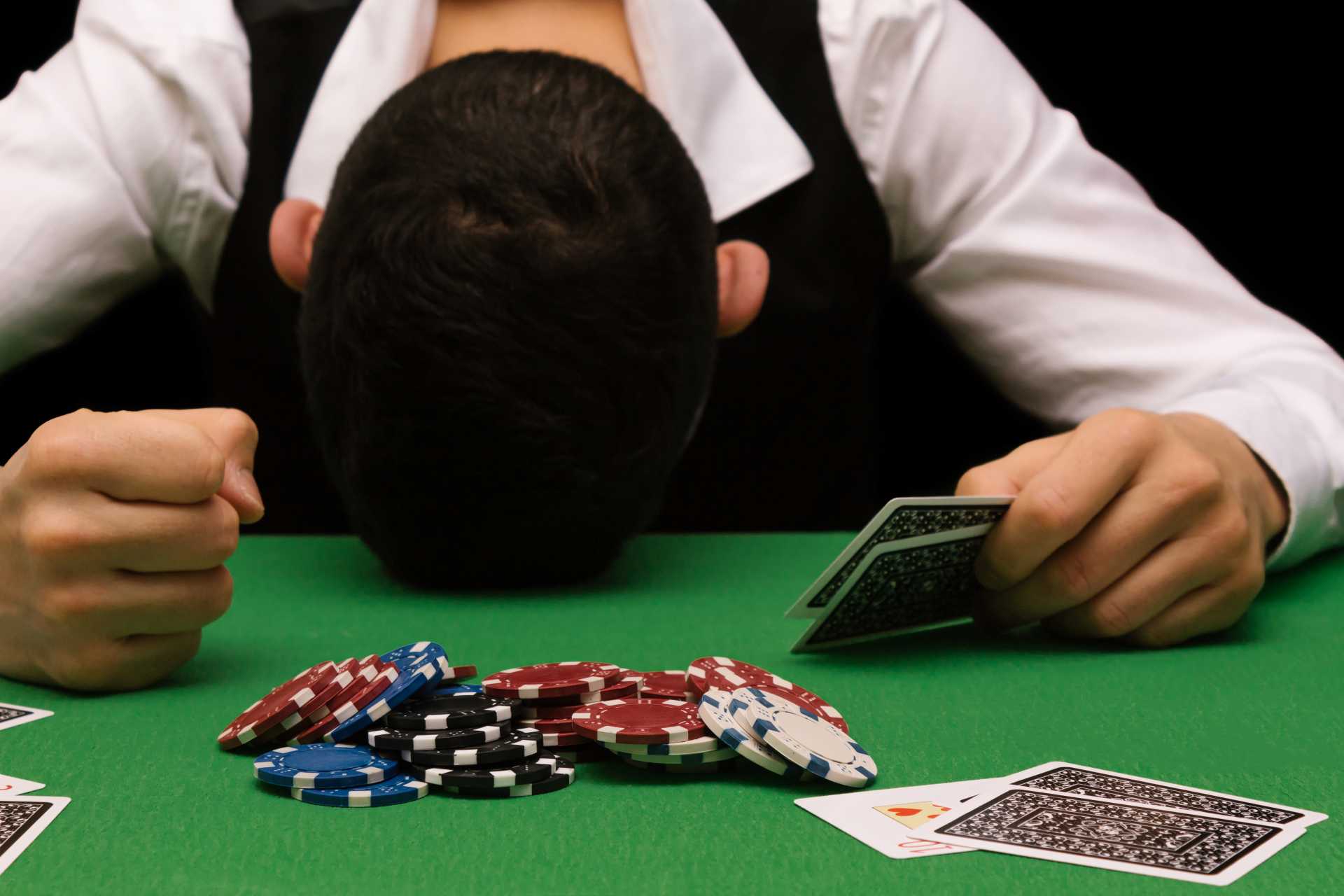
You tell yourself, “This is the last time”. You’ll just win back what you lost, then stop. But two hours later, you’ve lost more, the money’s gone and now the cycle of shame, regret and panic kicks in.
Gambling addiction affects around 0.5% to 1% of the UK adult population, with another 3.8% remaining at elevated risk. However, the cost of gambling addiction goes far beyond the money lost. The psychological impact of gambling addiction can destroy relationships, careers, mental health and the sense of who you are.
It’s essential to understand that gambling addiction is a recognised condition, not a moral failing or lack of willpower. Once this addiction takes hold, the effects of gambling addiction can feel impossible to escape alone. This is where hypnotherapy can help by addressing the subconscious drivers behind the compulsion.
What is Gambling Addiction?
Gambling addiction, also called gambling disorder or compulsive gambling, is when you can’t control the urge to gamble despite the negative consequences it’s causing in your life. It’s classified as a behavioural addiction, similar to substance abuse.
Symptoms of Gambling Addiction
You might have a gambling problem if you:
- Need to gamble with increasing amounts of money to get the same excitement
- Feel restless or irritable when trying to cut down or stop
- Have made repeated unsuccessful attempts to control or stop gambling
- Think about gambling constantly, planning your next session or reliving past wins
- Gamble when feeling distressed, anxious or depressed
- Chase your losses, gambling more to try to win back what you’ve lost
- Lie to family or friends about the extent of your gambling
- Have jeopardised relationships, jobs or opportunities because of gambling
- Rely on others to bail you out of financial problems caused by gambling
What Causes Gambling Addiction?
The causes of gambling addiction are complex. Some people are genetically predisposed to addiction. Others develop it as a way to cope with stress, anxiety, depression or trauma. The dangers of gambling addiction often start small, with what feels like harmless fun or an occasional flutter, then gradually escalate.
Gambling triggers the brain’s reward system, releasing dopamine in a similar way to drugs or alcohol. Your brain starts to crave that dopamine hit, and over time, you need to gamble more to get the same feeling. This is why one of the withdrawal symptoms of gambling when you try to stop is intense restlessness and irritability.
Certain factors increase risk. Easy access to gambling through online platforms and betting apps has made the cost of gambling addiction more widespread. You can gamble any time, anywhere, which makes it harder to avoid triggers. Financial stress, relationship problems, other mental health issues or a history of other addictions also increase vulnerability.
Effects of Gambling Addiction on Your Life
The effects of gambling addiction extend into every area of life. The financial cost is obvious, but the psychological impact of gambling addiction can be even more devastating.
Anxiety and Depression
The psychological impact of gambling addiction often includes severe anxiety and depression. The constant worry about money, the shame of lying to loved ones and the stress of hiding your gambling all contribute to deteriorating mental health.
Many people gamble to escape difficult feelings, but it creates a vicious cycle. You feel anxious or depressed, so you gamble to feel better. The gambling makes things worse, so you feel more anxious and depressed, and you gamble more. One of the dangers of gambling addiction is how it traps you in this loop.
Loss of Control
One of the most frightening effects of gambling addiction is the complete loss of control. You know you should stop. You want to stop. But you can’t. The compulsion overrides logic, promises and consequences.
This loss of control extends beyond gambling itself. You might find yourself unable to manage other areas of your life. Work performance suffers. Responsibilities get neglected. Basic self-care falls apart. The cost of gambling addiction is more than just financial but it’s the erosion of your ability to function.
Shame and Guilt
The shame and guilt are crushing as you know what you’re doing to yourself and the people who care about you. You hate the lies, the broken promises, the money disappearing, but the shame often drives you back to gambling because it’s the only way you know to escape those feelings.
This is one of the most damaging psychological impacts of gambling addiction as shame keeps you isolated and prevents you from seeking help. You may find yourself thinking you’re weak or broken, but this isn’t the case. Shame thrives in secrecy, and gambling addiction loves secrecy.
Strained Emotional Relationships
The effects of gambling addiction on relationships can be devastating. Partners lose trust. Children lose stability. Friends drift away. Family members feel betrayed, angry and helpless.
You might lie about where you’ve been, why money is missing, or what you’re doing on your phone. These lies erode intimacy and connection. Even when people want to help, the cost of gambling addiction often includes damaged relationships that take years to repair, if they can be repaired at all.
Social Isolation
As gambling takes over, social connections fall away. You might avoid friends and family because you’re gambling, hiding your gambling or ashamed of your gambling. Social events feel like obstacles between you and the next bet.
The isolation reinforces the addiction. Without social support or connection, gambling becomes your only source of excitement or relief. This is one of the dangers of gambling addiction that makes it so hard to break, as you have lost the support network that could help you stop.
Insomnia
Sleep problems are common among people with gambling addiction. You might stay up all night gambling online. Or you can’t sleep because you’re worrying about money, planning how to win it back, or dealing with anxiety and guilt.
The withdrawal symptoms of gambling can include severe sleep disturbance when you try to stop. Your brain is so used to the stimulation and dopamine hits that normal sleep becomes difficult. Poor sleep then makes everything else worse, including your mood, your decision-making, and your ability to resist urges.
Lack of Professional Growth
The cost of gambling addiction often includes career damage. You might miss work to gamble, perform poorly because you’re distracted or exhausted or lose jobs entirely due to gambling-related issues.
Even if you keep your job, professional growth stalls. You’re not focused on development or advancement and opportunities pass you by, with colleagues maybe even losing respect. The financial consequences of gambling are compounded by lost earning potential and career damage.
How Hypnotherapy Helps Overcome the Dangers of Gambling Addiction
Hypnotherapy addresses gambling addiction by working with the subconscious mind that drives the compulsive behaviour. Because gambling addiction operates below conscious control, you can’t just decide to stop. The urges, triggers and patterns are running automatically.
Accessing the Subconscious Drivers
During hypnosis, you enter a relaxed, focused state where your subconscious becomes more accessible. This allows us to work directly with the beliefs, emotions, and associations that fuel your gambling.
Many people gamble to escape difficult feelings or to seek excitement or control. Your subconscious has learned that gambling provides relief or reward, even though, consciously, you know it’s destroying your life. Hypnotherapy helps rewire these subconscious associations.
Reducing Cravings and Urges
One of the withdrawal symptoms of gambling when you try to stop is intense cravings. Hypnotherapy can reduce the intensity of these urges by changing how your brain responds to gambling triggers.
We can work on helping your subconscious recognise that gambling doesn’t actually provide what it promises. The relief is temporary. The excitement is followed by regret. By addressing the psychological impact of gambling addiction at its source, the compulsion to gamble weakens.
Building Healthier Coping Mechanisms
If you’ve been using gambling to manage stress, anxiety, boredom or depression, you need healthier ways to cope. Hypnotherapy can help your subconscious develop and strengthen alternative responses to difficult emotions.
Instead of automatically turning to gambling when you feel bad, your brain learns new patterns. This addresses one of the core dangers of gambling addiction, the fact that it becomes your default coping mechanism for everything.
Rebuilding Self-Worth
The psychological impact of gambling addiction often includes destroyed self-esteem. You might see yourself as weak, damaged or hopeless. Hypnotherapy can help rebuild a sense of self-worth that isn’t tied to gambling or winning.
We work on addressing the shame and guilt at a subconscious level, helping you separate your identity from your addiction. You’re not a bad person who gambles. You’re a person struggling with a recognised condition that can be treated.
Strengthening Motivation and Commitment
Staying away from gambling long-term requires strong motivation, especially when facing withdrawal symptoms of gambling or difficult life circumstances. Hypnotherapy can reinforce your commitment to change and strengthen your reasons for stopping.
We can work on visualising your life without gambling, building a clear picture of what you’re working towards. This helps when the urge to gamble feels overwhelming. Your subconscious has a strong vision of why you’re choosing differently.
How I Work Differently
A lot of people come to me having already tried things that didn’t quite work. Maybe counselling helped them understand why they gamble, but didn’t stop the compulsion. Maybe promises to themselves or others that lasted a few days or weeks before relapse.
That’s usually because they were only dealing with the conscious mind. Understanding why you gamble doesn’t stop you from gambling if the subconscious patterns are still running. This is why the effects of gambling addiction persist even when people desperately want to change.
I work at the subconscious level where the automatic responses live. We address what’s actually driving the compulsion, not just the surface behaviour. And I don’t do this by making you relive past trauma or shame. You don’t need to know every detail of why something started to make it stop. What matters is changing the patterns that are keeping it going now.
This takes time. Most people work with me for 4 to 8 sessions, which can be paced to suit your financial circumstances. Some people notice changes quickly. The urge to gamble might reduce, or you might find it easier to resist triggers. For others, the progress is more gradual.
Contact Susannah to Overcome Your Gambling Addiction with Hypnotherapy
If you’re struggling with gambling addiction, I’d be happy to help. Whether it’s affecting your finances, your relationships, your mental health or your sense of control, hypnotherapy can address what’s actually driving the compulsion.
Hypnotherapy works at the subconscious level to reduce cravings, rewire unhealthy patterns and build healthier ways of coping. Whether you’re experiencing withdrawal symptoms of gambling when you try to stop or struggling with the dangers of gambling addiction affecting your life, we can work together.
Many people tell me that hypnotherapy has helped them break free from gambling addiction and rebuild their lives. The cost of gambling addiction doesn’t have to continue. Remember, the psychological impact of gambling addiction can be addressed, and the compulsive patterns can change only if you are ready to make a change.
Book a session directly, or get in touch if you have questions.