
Do you feel on edge all day, as if your body is running on adrenaline? Do you wake at 4am with your stomach in knots, too wired to get back to sleep? Has stress left you snapping at the people you love, or feeling nothing at all? I help people regulate their nervous system by working with the subconscious mind, so they can switch off, sleep well and enjoy life again.
Hello, I'm Susannah. I am a fully qualified hypnotherapist with 20+ years of experience, offering clinical hypnotherapy in the City of London, near Liverpool Street, and online. I use hypnosis to help people whose nervous system feels stuck in overdrive after a long stretch of stress, burnout or worry. I also support people whose sleep, work or relationships are suffering. Contact me to find out more or book your initial consultation.
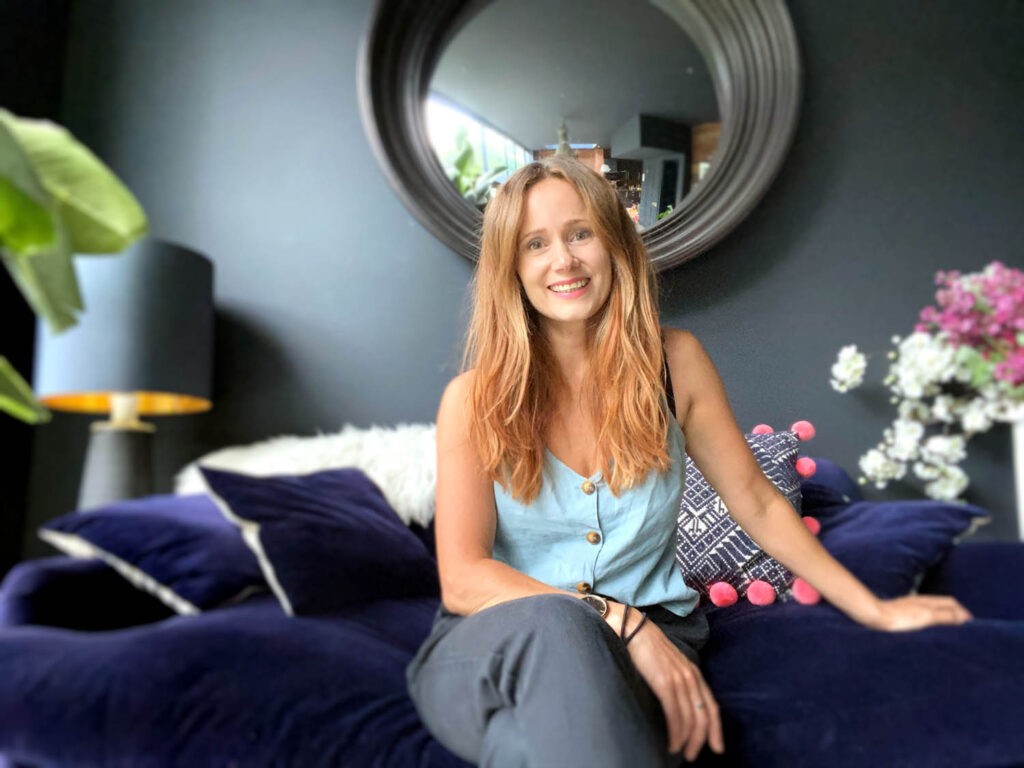
Hypnotherapy can help your nervous system move out of fight or flight and back into rest and digest. That's the state where your body can relax and recover.
In hypnosis, your mind and body relax, and we work with your subconscious to calm the alarm that keeps you on edge. The personalised recording helps you return to that calm state at home, as often as you like.
Hypnotherapy can help you:
I established my practice in 2003. Before this, I worked for two years as an assistant clinical psychologist within NHS Child and Adolescent Mental Health Services.
£198Including VAT · approximately 50 minutes
Posted on Google
 Nikki Hori
Trustindex verifies that the original source of the review is Google.
My appointment with susannah has gone very very well, I have now been off the weed habit for over a month now, she has taken away my want to smoke it and some of the issues that go with it when you stop smoking it, I cannot thank this lady enough for giving me a new start, the voice notes that you will get after your appointment help so much, I listen to them every night before bed, now I only need to listen to them every now and then, not once have I wanted to go and get some (w) and it is all down to the appointment I had with susannah, highly recommend if you have the problem that I had, tried to give up myself but always gave in to it, I have a new life now and getting a lot done, sleeping is good and have saved a lot of money not smoking it, thinking more clearly now too, I’m so please as it’s been a habit of mine for many many years, I couldn’t have done this without her help and I’m so grateful, she is there if you need extra help too xPosted on Google Charlotte SuttonI've been working with Susannah for several months to work on my insomnia issues. After a few sessions we discovered I was also mildly depressed and we have been working together to try and fix the issues I was experiencing. In just 6 weeks I've gone from a fragment of myself to an inspired, vibrant person again and I'm so thrilled with the results. Susannah's hypnotherapy sessions are beautiful and she really works with you to become better. Highly recommend her to anyone!Posted on Google
 JacquesHighly recommended. It is very easy to communicate with Susannah and Susannah transmits positive vibes. Clearly Susannah focus is the well being of her patients. I gave up vaping in one session, no craving and no need to substitute by something else. This helps me to open a new chapter in my life without the servitude of smoking/vaping. 100% success as far as I am concerned. Would turn to Susannah again for what ever my needs are in the future.Posted on Google
 Rosie GerhardI have been on quite the journey with Susannah. For so many years so many aspects of my life seemed to be causing me anxiety and anger, making me too exhausted to complete simple, everyday tasks, that seemed straightforward to other people. I couldn’t imagine things would improve without months of therapy at least. Working with Susannah however made me understand that it was my perception of my life rather than the events of my life that needed addressing, and this made finding solutions so much more manageable. Right from the first session things started to improve, and as it turned out, in total I needed only five sessions. Susannah has a gift for explaining complex functions of the brain in a super-accessible way, so that I now both understand what was going wrong and have developed strategies to support me in preventing the build-up of stress and anxiety in the future. I cannot think of an area of my life that has not been positively impacted by my time with Susannah and cannot recommend her highly enough.Posted on Google
 Freya PibworthI just hit one year smoke free and wanted to jump on and give Susannah more praise. I’m so pleased start, to finish and to this day with my experiencePosted on Google
 Diahann LatibeaudiereI would like to start my review with thanking Susannah. I was sceptical, but went in with an open mind. I had one session of hypnosis to help quit smoking. I was a person that could stop and start but I wanted to quit for good. My session was at the beginning of Feb and so far so good. I feel a lot better health wise also helped motivate me to consistently go to the gym and generally take better care of myself. If your thinking about doing it, go for it, best decision I've made.Posted on Google
 Hollie BartonI got in touch with Susannah after yet another flight that made me feel sick and traumatised. Living overseas is great until you begin to have a fear or flying which impacts your ability to travel with your husband and also for work. Since spending time with Susannah i have been able to fly a total of 4 times in the last 2 weeks and havent gotten upset or fearful like i used too once - im now able to fly and the worst thing that happens is i get bored!! :) I cant thank Susannah enough for helping me with this fear! Also, and i think no coincidence, i am far calmer in my day to day life. I absolutely never thought id be able to get off of a plane and go in to the office, instead of needing a sleep and a drink to get through it!!! Absolutely changed my life - long may it continue.Posted on Google
 SI'm a 33yo woman. I've struggled most of my life with low mood/depression and anxiety. I came to Susannah looking for help in changing my unhealthy habits and mindset. I can't even tell you exactly what has changed since my 3 hypnotherapy sessions, only that something in me has shifted, I feel better, more content, positive and lighter and I'm making better choices. After the first session it felt like something in my brain moved, for the better. I was really sceptical going in to this, especially as the sessions were online, but it worked. Would definitely recommend Susannah, the sessions aren't cheap but was worth every penny to me.Posted on Google
 Jamie MortonCan’t recommend Susannah enough! 3 months down and I’ve not touched a vape Or even thought about it. I will be honest, I was sceptical about hypno previously but it’s been such a great experience. My life has changed so positively since that session.Posted on Google
 Clare LittleI recently had 3 sessions of hypnotherapy with Susannah to help with a fear of flying that had been causing me anxiety, and tainting my experience of travel and holidays for many years. This was my first experience of hypnotherapy, and it was an extremely positive and beneficial one, as I have since been on multiple flights without that old anxiety, and free of the accompanying tension and fear. This is entirely down to Susannah's calming, patient manner and extremely insightful techniques. I can't recommend her services highly enough. Thank you so so much Susannah!Verified by TrustindexTrustindex verified badge is the Universal Symbol of Trust. Only the greatest companies can get the verified badge who has a review score above 4.5, based on customer reviews over the past 12 months. Read more

Try my free 30-minute guided relaxation audio and get a feel for my voice and approach.
Nervous system regulation is your body's ability to move between alert and calm, and settle again once a stressful moment has passed. It's run by the autonomic nervous system, the part of your nervous system that works on autopilot.
The autonomic nervous system has two main branches:
An NHS leaflet describes fight or flight as a normal, healthy reaction that prepares the body for action. When your nervous system is regulated, you can rise to a challenge and then come back down. Psychiatrist Dan Siegel calls the zone where you can cope the window of tolerance.
When you feel dysregulated, you can feel stuck. The alarm seems to stay on long after the stressful moment has passed, or you may feel numb and shut down.
A dysregulated nervous system can feel like being switched on all the time, switched off, or swinging between the two. Many people describe feeling tired and on edge at the same time, like driving with your foot on the accelerator and the brake.
Fight, flight, freeze and fawn are terms used to describe responses to feeling threatened. Fight and flight can leave you revved up, while freeze can leave you feeling stuck. Fawn is a newer term some therapists use for people-pleasing to stay safe.
Most people have a go-to response, and many swing between them. You might rush around all week, then crash at the weekend.
A dysregulated nervous system usually comes from stress that goes on for months or years, with little chance to recover. Common causes include:
I explain this using the stress bucket as a simple illustration. Every worry, deadline and late night adds to it, while sleep, rest and time to unwind help you recover.
When the bucket feels full, it can be harder to think clearly and easier to feel on high alert. Poor sleep can make it harder to cope with stress the following day, so we work on both feeling calmer and sleeping well.

Your body can feel on edge when nothing is wrong because the part of your brain that watches for danger has become oversensitive.
The amygdala, the brain's alarm system, is a bit like a guard dog. After a long stretch of stress, it starts barking at the postman as well as at burglars. A ping from your inbox, a raised voice or a crowded train can set it off.
Each time it barks, your body releases stress hormones such as adrenaline and cortisol. Your heart speeds up, your muscles tense and your breathing quickens, even if you're sitting at your desk.
Over time, your body gets used to running on adrenaline. Some people find that when they finally stop, on holiday or at the weekend, they feel worse.
The vagus nerve is the main nerve of the rest and digest system. It runs from your brain down through your chest to your gut, linking your brain with your heart, lungs and digestion.
When you feel safe, it helps slow your heart and settle your stomach. Slow breathing is one of the simplest ways to activate it.
A 2018 review of studies found that slow breathing increased heart rate variability, a measure linked to the rest and digest system. It was also linked to feeling more relaxed and comfortable. A simple way to start is to breathe out for longer than you breathe in.
Hypnotherapy for nervous system regulation draws on a range of techniques, chosen to suit you. They work with your subconscious, the part of your mind that controls your habits, your thoughts and the beliefs you hold.
In hypnosis, your mind and body relax, and your subconscious becomes more open to positive suggestion. This is when we work on the negative stories, thoughts and beliefs at the root of the problem. With a dysregulated nervous system, these are often a belief that you must keep going, or that it's unsafe to relax.
Techniques can include:
Your first session is the initial consultation, which includes hypnosis. We talk about how stress is showing up in your body, and I explain how the stress bucket works. Then you relax into hypnosis, so you experience it from the start.
Each session after that begins with what has gone well since we last met. Focusing on the positives lowers stress and gives your subconscious something new to build on. The rest of the session is hypnosis, a natural state of focused relaxation, while you sit back with your eyes closed.
After each session, you have the personalised recording to listen to at home. Many people listen at bedtime, when it can also help them switch off and sleep.
You can support your nervous system every day with small, simple habits, such as:
Hypnosis works well alongside habits like these. The personalised recording also gives you a calming routine to come back to each day.
Nervous system dysregulation describes what happens in your body under long-term stress. It's a helpful way of understanding symptoms that often come with anxiety, stress and burnout.
If anxiety or panic attacks are your main concern, my anxiety hypnotherapy page has more detail. My stress hypnotherapy page has more on stress, and my insomnia hypnotherapy page has more on sleep.
Studies suggest hypnosis can change how the brain and body work together, and help to reduce anxiety.
Research at Stanford University found changes in brain activity and connectivity during hypnosis in highly hypnotisable participants. One of the findings involved a connection between areas linked with attention and awareness of the body.
A 2019 review of studies in the International Journal of Clinical and Experimental Hypnosis found that hypnosis helped to reduce anxiety.
When choosing a hypnotherapist for nervous system regulation, look for recognised qualifications, professional insurance and experience of helping people with stress and anxiety. The Professional Standards Authority’s Look Before You Book guide explains how to check professional registration, qualifications, insurance and complaints procedures. It also helps to feel comfortable with the person you choose, and an initial consultation is a good chance to ask questions.
I hold the SQHP and HPD qualifications and have been practising as a clinical hypnotherapist since 2003. I explain confidentiality and how I look after your information at the start of our work together.
If you would like help with nervous system regulation, contact me to find out more or book your initial consultation.
It means helping your body move out of fight or flight and back into rest and digest after stress.
Common signs include feeling on edge or wired, poor sleep, a churning stomach, irritability and brain fog. Many people describe feeling tired and on edge at the same time.
Slow breathing is one of the quickest ways. Breathe in gently, then breathe out for longer than you breathed in, and repeat for a minute or two.
Hypnosis can help you feel more relaxed and work on the thoughts and habits that keep you on edge. Research has found benefits for anxiety, and brain-imaging studies have explored changes in attention and awareness during hypnosis. I tailor the session to how stress affects you.
Yes. Hypnosis is a natural state of focused relaxation, and you stay aware and in control throughout. You can open your eyes at any time.
Hypnosis is the relaxed, focused state itself. Hypnotherapy uses that state to help you make changes, such as calming an overloaded nervous system.
Functional freeze is a phrase people use for getting through the day on autopilot while feeling numb, flat or stuck inside. We can explore what that experience means for you and work on feeling more engaged, settled and able to take manageable steps.
Stress can contribute to a racing heart, muscle tension, a churning stomach and headaches. Hypnosis can help with the stress and anxiety around these experiences. A GP can help you understand new or persistent physical symptoms, so your support reflects the full picture.
Sessions are private and discreet. I explain confidentiality, professional responsibilities and how I look after your information at the start. You can also read my privacy policy before booking.
Yes. Online sessions follow the same approach, by secure, encrypted Zoom from the comfort of home. Find out more on my online hypnotherapy page.
This varies from person to person, and we can talk it through at your initial consultation.
My fees are listed on my prices page, and I am happy to answer any questions before you book.
After a demanding day, you can feel physically exhausted while your mind is still busy planning, checking or worrying. We can work on those habits and use hypnosis to help you settle into the evening and feel more ready for sleep.
We can work on the worry and tension around waking in the night, as well as the stress you carry through the day. Your personalised recording gives you a familiar way to relax before bed. Tell me about your sleep pattern at the consultation.
When you have been busy for a long time, slowing down can make you more aware of thoughts and sensations you were pushing aside. I guide relaxation at a pace that feels comfortable and help you become more at ease with taking a break.
Yes. We can focus on the thoughts that follow you home, the urge to keep checking messages and the pressure to stay productive. Hypnosis can help you rehearse finishing work and enjoying your evening with greater ease.
We can explore beliefs such as needing to earn a break or always put other people first. In hypnosis, we work on feeling comfortable taking time to rest, so you can enjoy it and have more energy for the things you choose to do.
Sessions can focus on the stress that builds when several things need your attention at once. We can work on calmer responses, giving yourself a pause and communicating what you need. Tell me which everyday situations feel most overwhelming.
Guided relaxation can help you notice and release tension, while we also work on the worry or pressure behind it. If jaw pain or tooth grinding is ongoing, a dentist can help with that aspect alongside the work we do on stress.
We can work on the build-up of stress and on noticing when you need a pause. Hypnosis can help you rehearse responding with more patience, especially in the situations at home that usually leave you overwhelmed.
A notification can become associated with pressure, criticism or another demand on your time. We can work on that association and practise a calmer response, so you feel more able to read and respond at your own pace.
Yes. We can explore what you expect from the week ahead and work on the worry that takes over your Sunday evening. The focus might include work pressure, boundaries, confidence or sleep, depending on what is happening for you.
If it takes you several days to switch off, we can work on the habits that keep you mentally at work and the discomfort of slowing down. Your recording can also give you a familiar relaxation routine while you are away.
Hypnosis can support relaxation, sleep and confidence while we explore the pressures that have left you exhausted. We can work on manageable changes, including taking breaks and setting boundaries, with attention to the support and recovery time you need.
Yes. We can work on the habit of checking what you said, anticipating problems and revisiting small mistakes. Sessions focus on feeling more settled and bringing your attention back to what you are doing now.
Changes in sleep, mood and physical symptoms during perimenopause or menopause can make everyday pressure harder to manage. I can help with stress, anxiety and sleep, and my menopause hypnotherapy page explains more about this support.
Yes. Tell me what happens when you try them. We can use other ways to help you settle, such as guided imagery, noticing the support of your chair or relaxing one muscle group at a time. I adapt the session to you.
People experience imagery in different ways. You might picture something, sense it or simply follow the words. I can use suggestions and descriptions that suit the way you think and respond.
Yes. Your comfort matters throughout the session. You can keep your eyes open, change position or speak, and we can decide together how you would like to begin.
Meditation often involves practising awareness of the present moment. In hypnotherapy, I guide your attention and use suggestions tailored to the changes you want, such as sleeping more easily or feeling calmer in a particular situation.
My sessions use focused attention, relaxation and therapeutic suggestions to help with stress and anxiety. Gentle breathing may be part of that. We focus on the changes you notice in daily life, such as settling more easily after a stressful moment.
Yes. Where helpful, I can show you simple ways to practise self-hypnosis. Your personalised recording also helps you return to the relaxation and suggestions we use together.
Choose a quiet time when you can sit or lie comfortably and give it your attention. Many clients listen before bed. Use your recording when you can rest safely, with driving and other tasks put aside.
A regular routine can help you become familiar with relaxing and focusing your attention. We can agree a practical pattern for using your recording that fits your day, and review how you are getting on.
Useful changes might include switching off sooner after work, feeling less tense, sleeping more comfortably or recovering more quickly after a difficult conversation. We discuss the changes that matter to your day-to-day life and review them together.
Your first appointment includes a conversation about what brings you here, what you would like to change and how I work, followed by hypnosis. You can ask questions and tell me what helps you feel comfortable.
Yes. We talk about your experiences, your routine and the situations you want help with. I choose the approach and suggestions to fit you, and review your progress at later appointments.
I hold a BSc (Hons) in Psychology, the Hypnotherapy Practitioner Diploma (HPD) and the Senior Qualification in Hypnotherapy Practice (SQHP). You can read more about my qualifications and experience on my website.
Yes. I am registered with the Complementary and Natural Healthcare Council (CNHC) and the General Hypnotherapy Register. My about page gives further details of my qualifications and professional background.
I established my practice in 2003 and have more than 20 years of experience. Before this, I worked for two years as an assistant clinical psychologist within NHS Child and Adolescent Mental Health Services.
Yes. My training includes CPHT, and my approach draws on a range of hypnotherapy techniques. We discuss which methods may be useful for you as part of your personalised sessions.
The rewind technique is one of the methods I may use where appropriate. We can discuss it if a particular experience continues to bring up strong feelings, and choose an approach that suits you.
You can look up a practitioner on their professional register and check the name, qualifications and contact details. My registrations include the CNHC and General Hypnotherapy Register. You are also welcome to ask me about my training and experience.
A 2019 meta-analysis found benefits for anxiety across the hypnosis studies it reviewed. Researchers have also studied brain activity during hypnosis. The research section on this page links to the sources so you can read the findings.
Yes. I work with clients online via Zoom. Choose a quiet, private room with a reliable connection and a comfortable chair or somewhere to lie down. My online hypnotherapy page explains how to prepare.
I work with clients in London, near Liverpool Street, and online via Zoom. Contact me to discuss your preferences, current availability and an initial consultation.
Yes. A personalised hypnosis recording is included with my standard appointment. It gives you a way to practise the relaxation and suggestions from your sessions at home.
Use the enquiry form or call 07973 896907. Tell me a little about what you are experiencing and what you would like help with, and we can arrange an initial consultation.
Susannah Saunders, clinical hypnotherapist (SQHP, HPD).
If you would like help with nervous system regulation, contact me to find out more or book your initial consultation.